The space race emerged directly from this larger Cold War environment. Rocket systems initially developed for military purposes gradually expanded into satellite programs, human spaceflight, and lunar exploration as the United States and Soviet Union competed for strategic and geopolitical influence beyond Earth’s atmosphere.

The Convair MX-774 program used captured German tachnology and paved the way for the Atlas missile program.
Early American space programs such as Project Mercury represented the beginning of human spaceflight rather than its final form. Engineers, pilots, and scientists were still learning how the human body would function in orbit, how spacecraft systems would perform under extreme conditions, and how launch, tracking, and recovery operations could be coordinated successfully. Project Gemini expanded those capabilities further through orbital maneuvers, rendezvous operations, spacewalks, and longer-duration missions that helped prepare the United States for lunar exploration.
Project Mercury set the stage for America's race to the moon.
The Apollo era is often remembered through images that now feel almost mythic: launch towers rising into the Florida sky, astronauts framed against spacecraft interiors, the surface of the Moon illuminated beneath television broadcasts watched around the world. Memory can soften how unstable much of the process actually felt at the time.
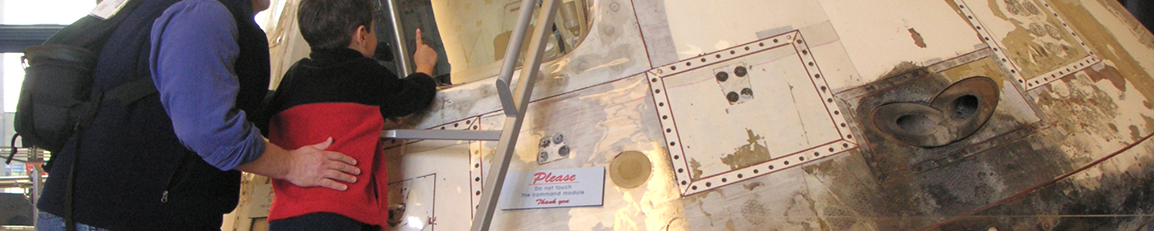
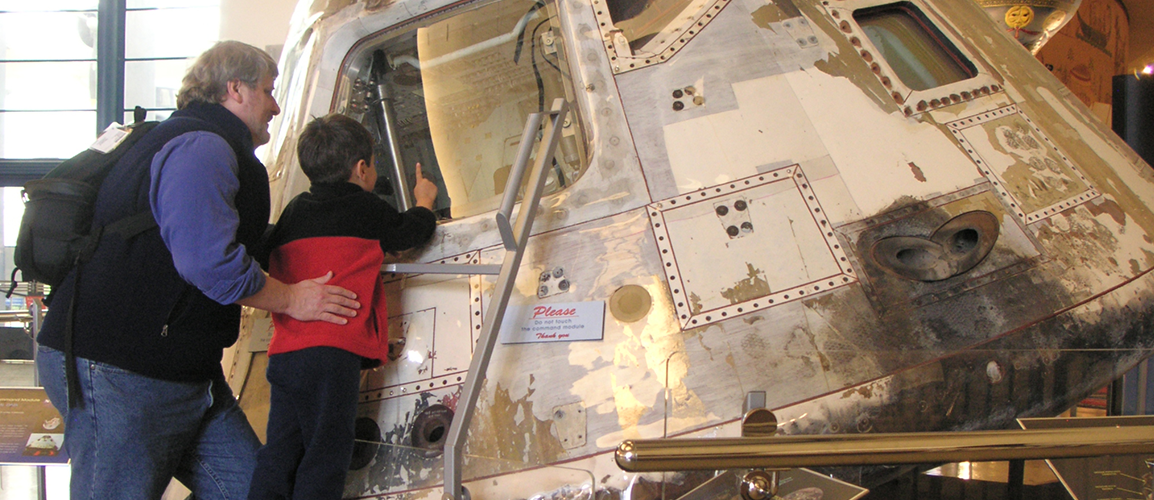
The Apollo Program turned into one of the most successful programs in American history.
The Apollo program depended not only on astronauts, but also on machinists, seamstresses, engineers, programmers, technicians, and thousands of others whose contributions remained largely invisible to the public. Aerospace achievements rarely belonged to a single person even when history later compressed them into symbolic names or moments. The Apollo 1 fire shattered any illusion that engineering progress guaranteed safety or certainty. The disaster exposed the fragility underneath one of the most ambitious engineering efforts in human history. Investigations followed. Systems were redesigned. Procedures changed. Public pressure intensified. The program moved forward under the full awareness that success remained far from guaranteed.

Althought the Apollo program was extremely successful, it also contain tragedy, as the entire crew of Apollo 1 was killed in a fire.
The program continued under the recognition that certainty would never arrive first.
The scale of transformation becomes easier to understand at the human level. Production floors crowded with workers. Engineers revising handwritten calculations. Pilots standing beside experimental aircraft whose futures remained uncertain. Families relocating westward for jobs connected to wartime production or postwar aerospace growth. National change emerged through millions of individual decisions, risks, and acts of labor unfolding simultaneously across generations.
San Diego was a major nexus of the Space Race, as Kearney Mesa's Convair Astronautics was the home of the Atlas Missile.
Aerospace history remains unusually visible within American culture because it placed industrial ambition, labor, military power, risk, and national identity into public view simultaneously. The expansion of aviation and spaceflight reshaped economies, warfare, landscapes, mobility, and daily life while also producing consequences that often extended far beyond their original intentions.

The Space Shuttle was a stable of the Space transportation for over 20 years.
Aerospace development also continues evolving in the present rather than remaining confined to the past. Reusable rocket systems, commercial launch providers, satellite networks, renewed lunar missions, and long-term ambitions for deep space exploration are reshaping aerospace once again. Spaceflight that once existed almost entirely within government programs increasingly involves private industry, international partnerships, and systems advancing at a pace difficult to fully predict in real time.
The future of aerospace now extends into areas that earlier generations could barely imagine: permanent lunar infrastructure, missions toward Mars, autonomous flight systems, commercial space industries, artificial intelligence integration, and expanding human activity beyond Earth itself. Many of these systems remain experimental, politically uncertain, economically unstable, or technologically unfinished. The larger pattern remains familiar. The future continues being built before all the answers are fully known.

SpaceX has taken the lead in private space exploration. Here we see the Starship ignition during its launch on IFT-5.
At 250 years, the United States again finds itself living through another period shaped by rapid transformation and uncertainty. Artificial intelligence, autonomous systems, commercial spaceflight, digital infrastructure, and shifting global competition are transforming industries and institutions in real time. Earlier generations also lived through periods where the future appeared unfinished and difficult to predict. Many aerospace systems now viewed as foundational emerged while people were still struggling to understand the long-term consequences of the changes unfolding around them.
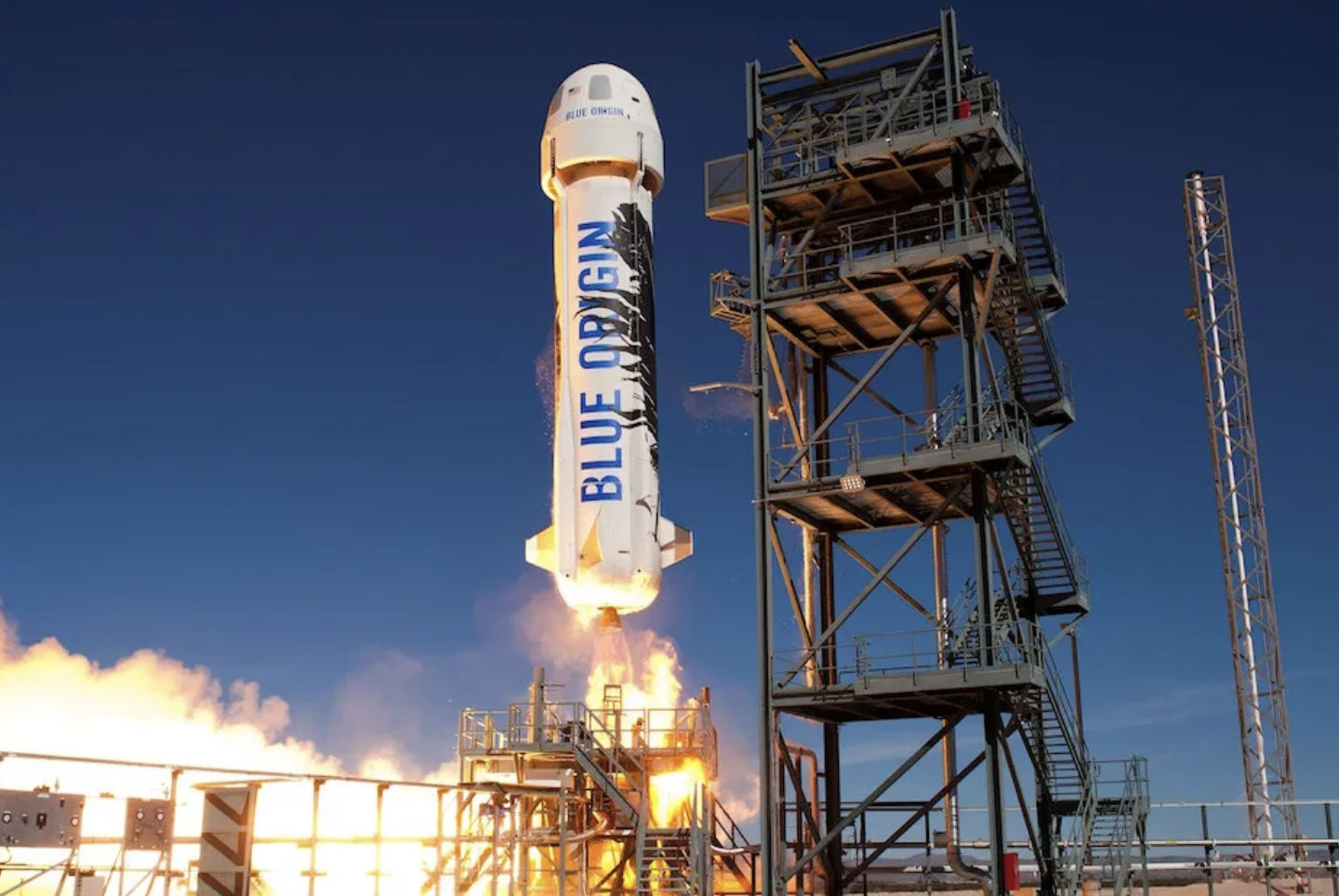
Blue Origin's New Shepard launch vehicle offers suborbital flights into space...at a steep price.
At 250 years, the United States remains a country still moving through experimentation, reinvention, accelerating change, and uncertainty rather than beyond them. The history of aerospace reveals not a finished national story, but a continuous process of building forward before outcomes are fully known.
The story of American aerospace was never built after all the answers arrived. It was built while people were still searching for them.
Stay tuned for more installments of the "America at 250" aerospace historical online exhibits!
2001 Pan American Plaza, San Diego, CA
Phone: 619.234.8291
Información En Español
Contact Us
We would like to thank all our sponsors who help us make a difference. Click here to view all who help us.

The San Diego Air & Space Museum is a 501(c)(3) non-profit organization. Federal Tax ID Number 95-2253027.